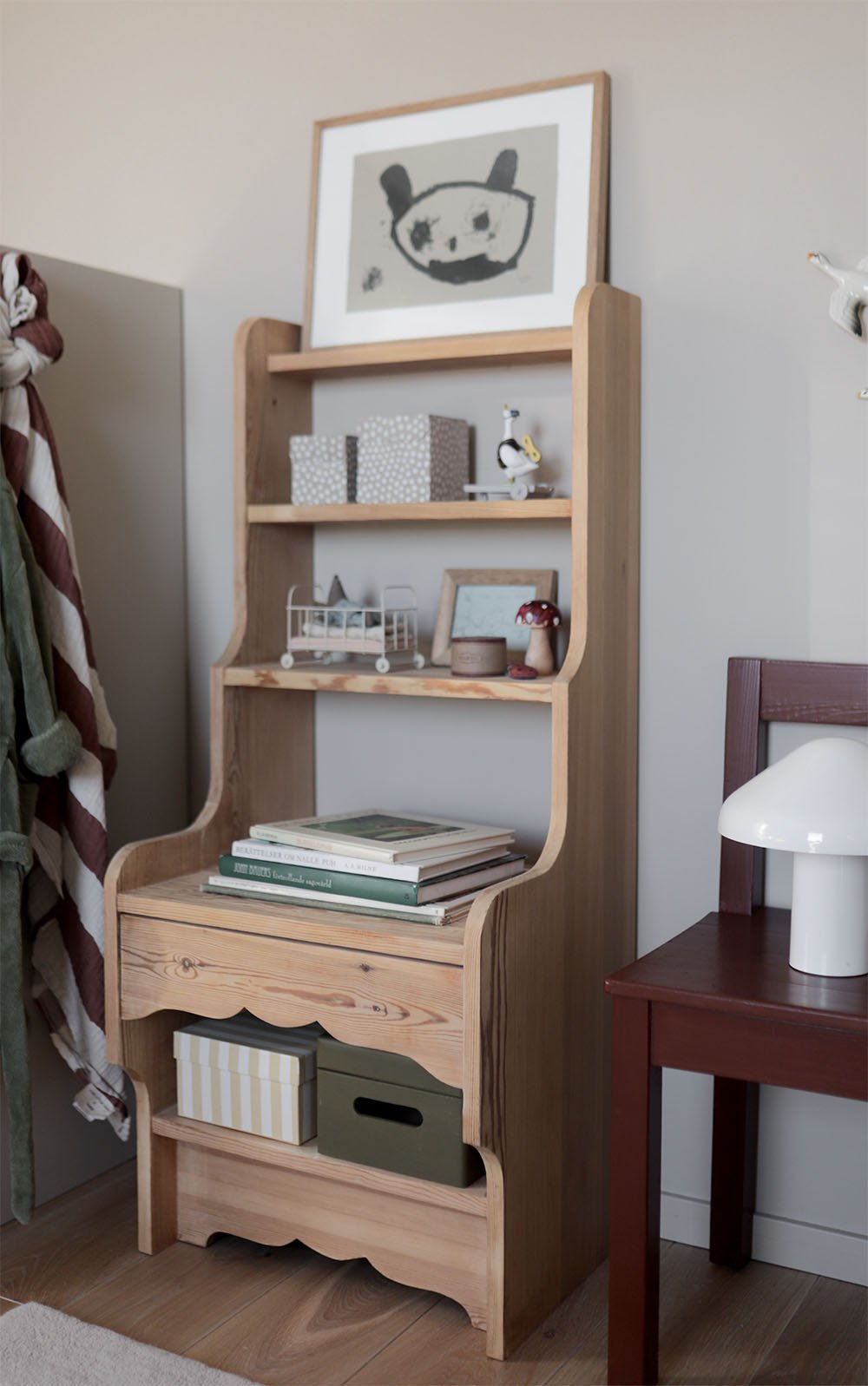
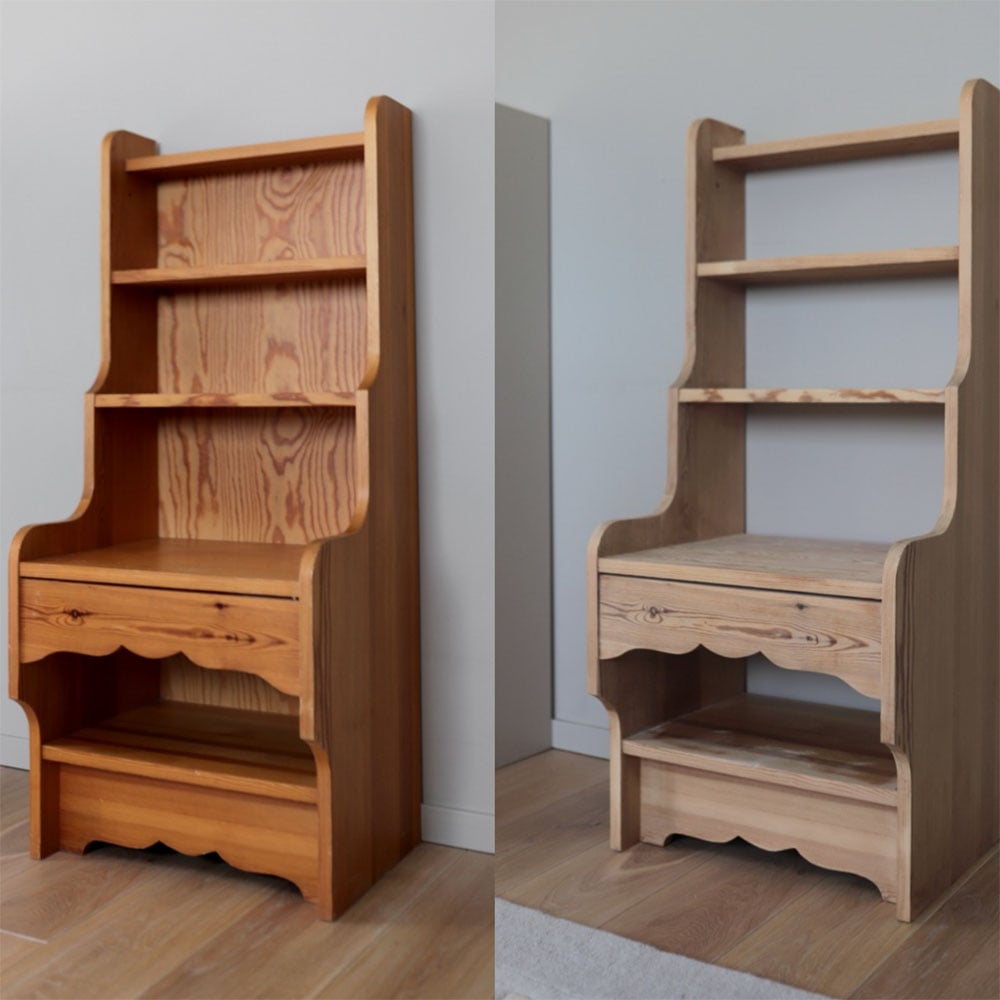
A lot of wooden furniture pieces lose their visual appeal due to outdated colors or heavily damaged varnish. Restoring these pieces to bare wood reveals the natural grain and provides a blank canvas for new finishes. While chemical strippers exist, thermal removal using a heat gun offers a clean, highly effective alternative. A heat gun softens thick layers of old lacquer or paint. This approach reduces the need for heavy sanding and preserves the underlying wood structure.
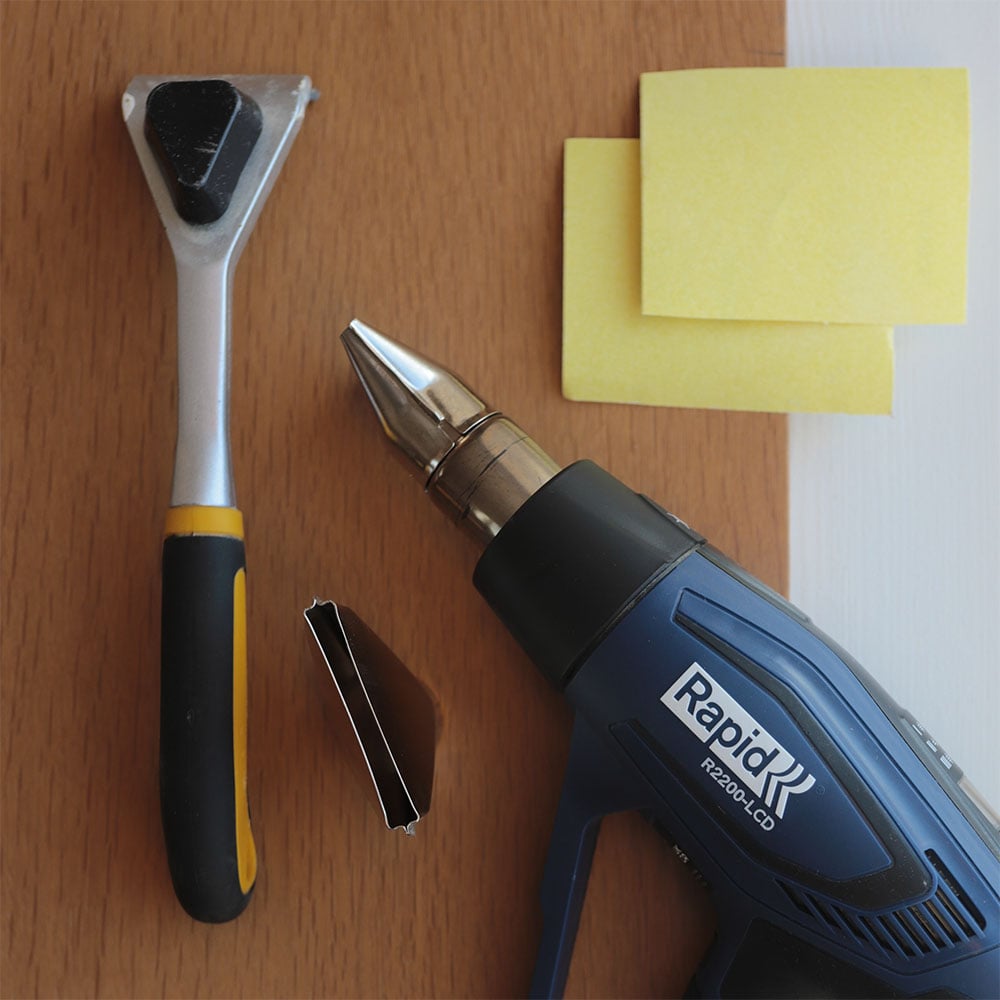
The Furniture Restoration Process
Removing old finishes requires thermal energy, slight mechanical force, and careful surface preparation. Following a structured method prevents damage to the furniture.
Step 1: Heat the Varnish
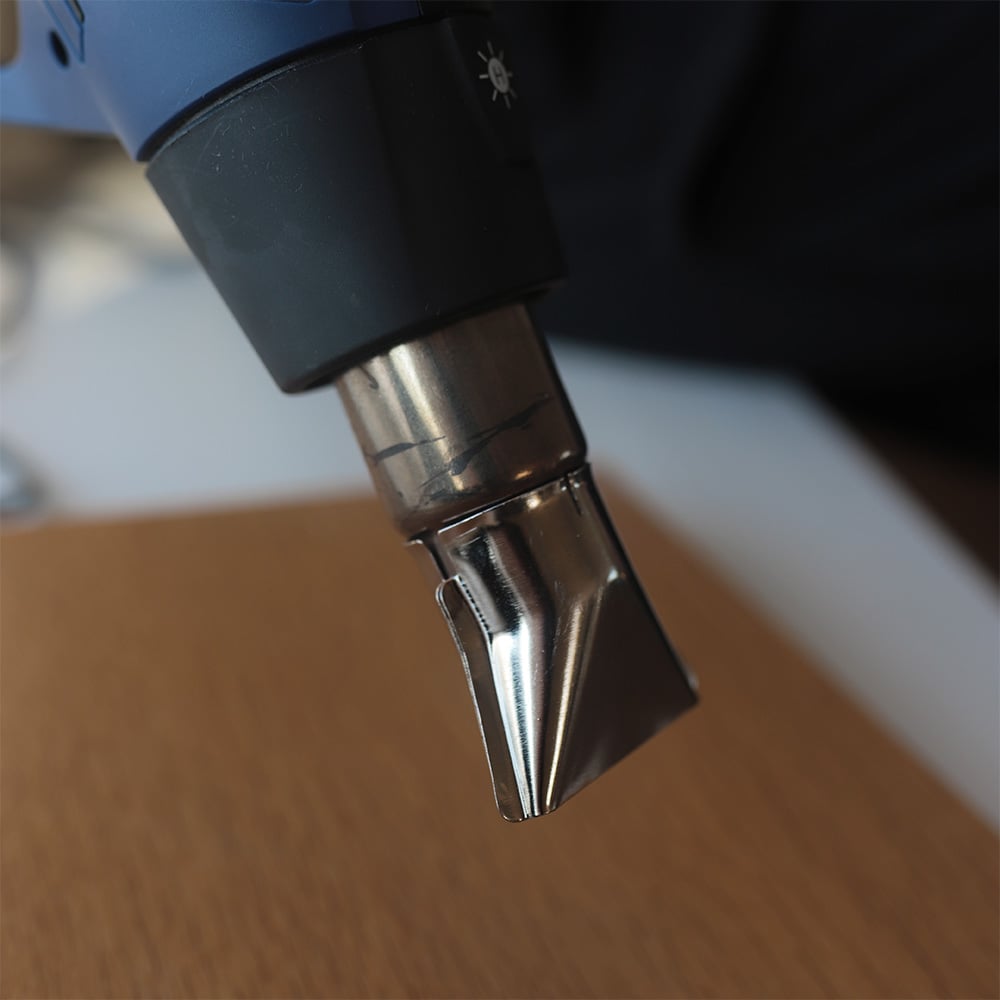
The restoration begins by applying heat to the old finish. The operator holds the heat gun nozzle approximately 5 to 7 centimeters from the varnished surface. The tool must remain in constant, slow motion over a small area. Concentrating the heat on one spot for too long carries the risk of burning the bare wood underneath. The heat breaks the chemical bond of the varnish, causing it to soften and lift slightly from the surface.
Step 2: Scrape the Softened Finish
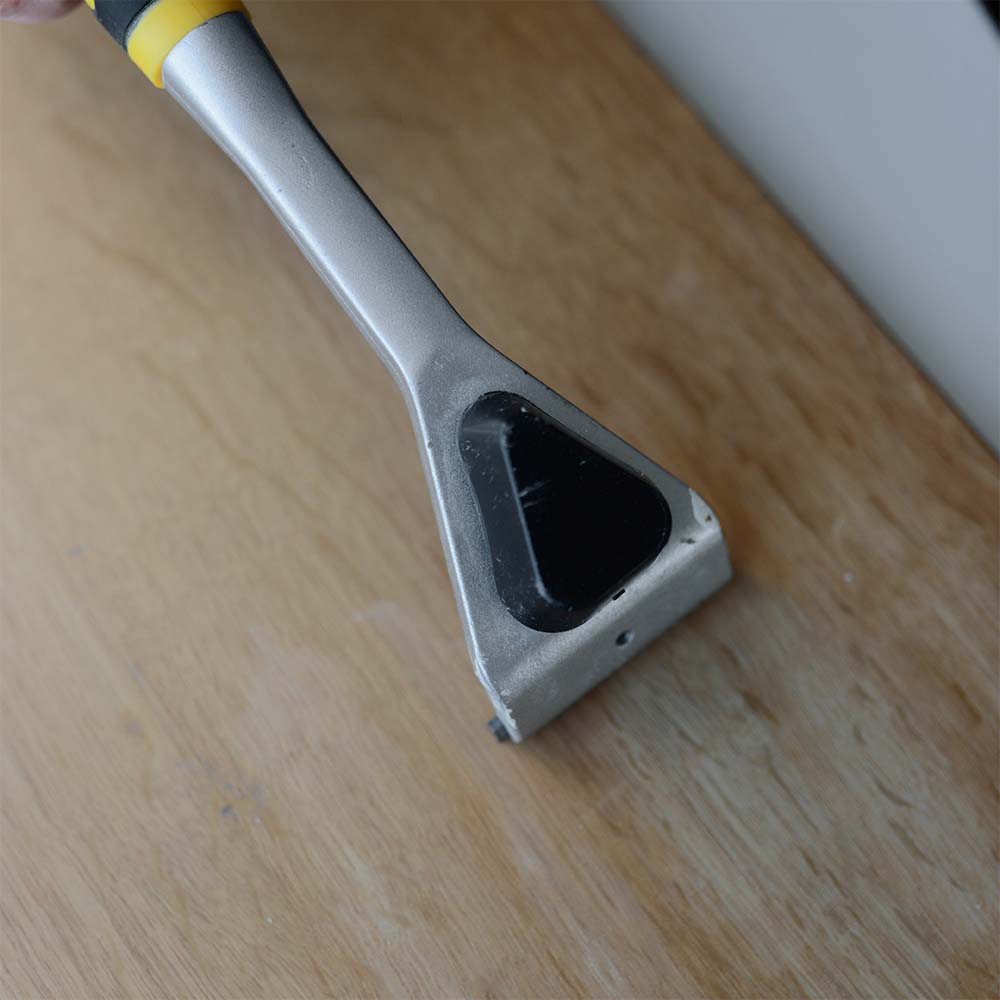
Once the varnish softens, a paint scraper removes the material from the heated area. The softened finish lifts away easily with gentle pressure. Removing the bulk of the old lacquer or paint at this stage significantly reduces the workload for the subsequent sanding phase. The scraper blade should stay flat against the surface to avoid gouging the wood.
Step 3: Sand the Bare Wood
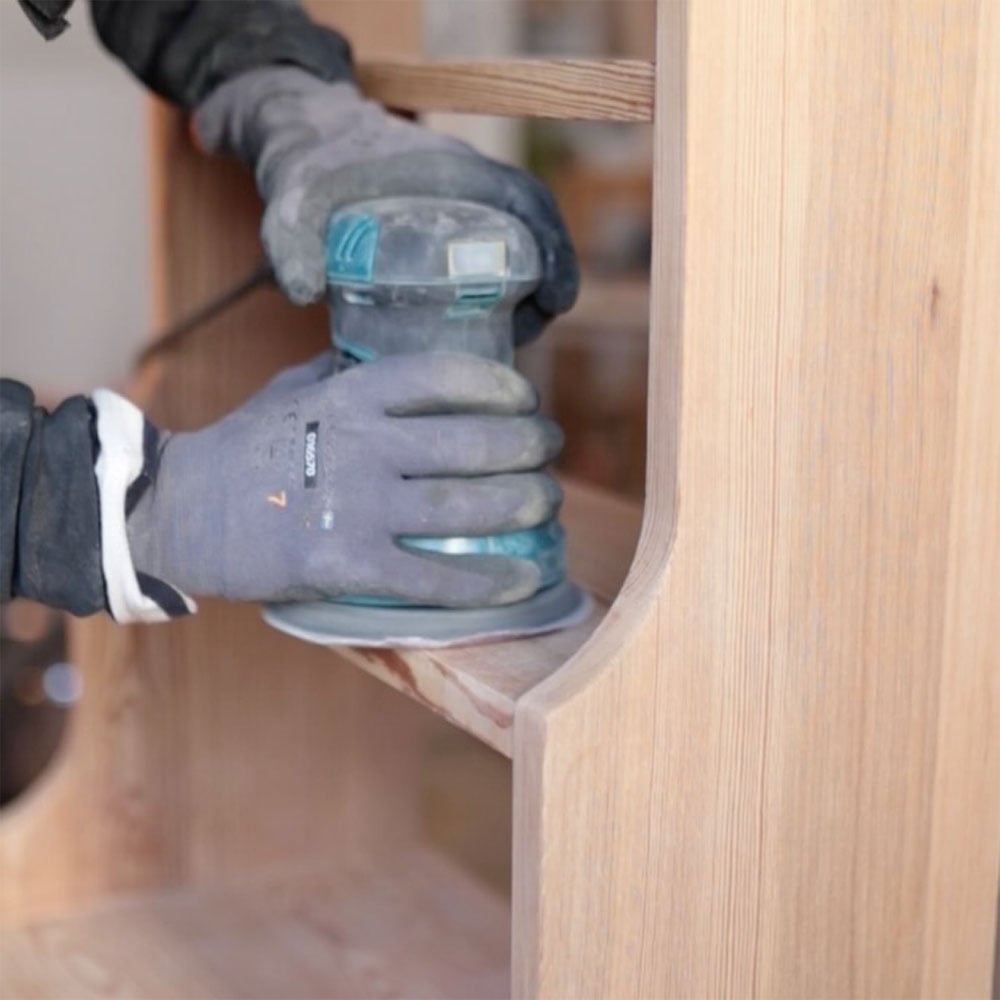
With the heavy varnish removed, the surface requires smoothing. This step is done by hand using a sanding block or with a power sander for faster results. Because the scraper has already cleared the thickest layers of the old finish, coarse sandpaper is unnecessary. Fine-grit sandpaper is the optimal choice here. It removes any remaining residue while preventing deep scratches and damage to the delicate wood fibers.
Step 4: Apply a Protective Finish
Bare wood requires a protective layer to withstand daily use. Applying a hard wax oil serves as an excellent final step. Hard wax oil penetrates the wood grain to offer deep moisture protection while leaving a hard, wear-resistant layer on the surface. This finish highlights the natural color of the wood and makes the furniture highly durable.
FAQ
How close should a heat gun be held to wooden furniture?
Keep the heat gun nozzle approximately 5 to 7 centimeters away from the surface. This distance provides enough thermal energy to soften the varnish without burning the underlying wood. It also depends on the varnish, always test on a small area and increase temperature setting and close the distance to see what works best.
Can sanding replace the scraping step entirely?
Sanding directly over thick varnish clogs the sandpaper quickly. It also requires coarse grits that easily damage bare wood. Scraping the heated varnish first makes the final sanding stage faster, cleaner, and safer for the wood fibers.
What is the best finish for stripped wooden furniture?
Hard wax oil is a highly effective choice for bare wood. It penetrates the surface for internal protection and hardens on top to create a durable, wear-resistant barrier that highlights the natural grain.
Key Takeaways
- Heat guns soften old varnish and paint for easy, clean removal.
- Working in small, targeted sections prevents the wood from scorching.
- Scraping the softened finish before sanding protects wood fibers from heavy abrasion.
- Fine-grit sandpaper easily smooths a scraped surface without causing gouges.
- Hard wax oil provides a durable, wear-resistant final finish for bare wood.